
Why Dogs Eat Grass: Patterns, Exposure and When to Seek Care
Updated: 5 days ago
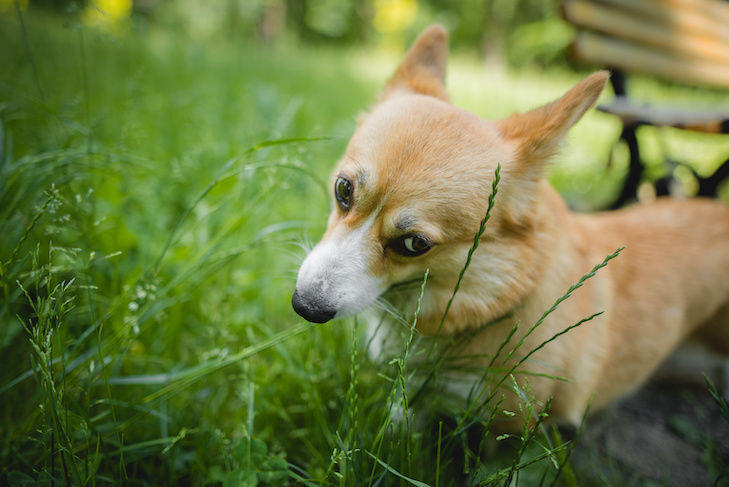
Grass eating does not have one proven explanation for every dog. Some dogs investigate or graze occasionally, while others eat vegetation repeatedly or alongside illness signs. The important questions are what was eaten, the setting, and whether the dog's normal eating and comfort have changed.
Describe the whole pattern
Record frequency, the type of area, timing around meals, vomiting, stool changes, appetite, medication, and recent diet changes. Note whether the dog eats only grass or also soil, stones, mulch, or other non-food material.
Do not assume vomiting afterward proves the dog intended to treat its stomach. Likewise, grass eating alone does not establish a vitamin or mineral deficiency. A complete diet history helps the veterinarian decide what needs investigation.
Check exposure risks
Keep the dog away from recently treated areas, unknown chemicals, discarded material, and plants that have not been identified. Grass and surrounding soil can carry hazards unrelated to whether ordinary lawn grass itself is toxic.
If pesticide, fertilizer, another harmful substance, or a swallowed foreign object may be involved, contact the veterinary team promptly. Our poisoning first-steps guide explains which labels and timing details are useful. Do not induce vomiting unless specifically instructed.
Seek advice for persistent or unwell dogs
Repeated vomiting, poor intake, weight change, abdominal pain, weakness, or ongoing ingestion deserves assessment. Do not use unlimited grass access as a treatment for digestive symptoms or repeatedly switch food without a plan.
The clinician may recommend a dietary review, examination, or testing according to the history. Ask what improvement should look like and when to report back.
Manage access and offer alternatives
Use supervision, an appropriate lead, and a suitable route where needed. Reward moving with you and provide manageable sniffing and other enrichment that does not involve swallowing material. Avoid chase-and-grab interactions over every mouthful.
Keep the approach consistent across caregivers and note whether the pattern changes. The linked dirt-eating and plant guides address related exposures while keeping each material and the dog's condition part of the decision.


